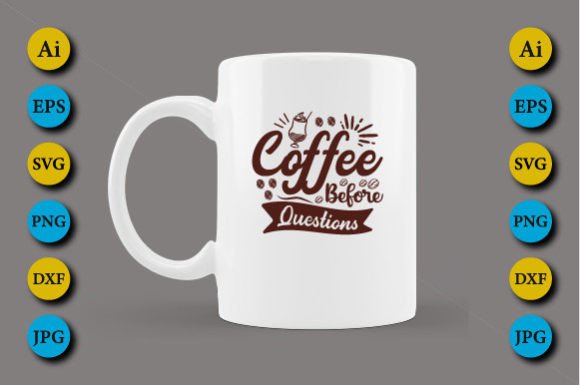
Coffee Before Questions
First Impressions: A Warm, Witty Anchor for Handmade Goods
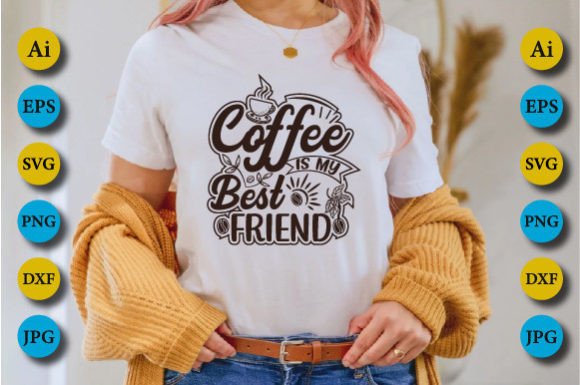
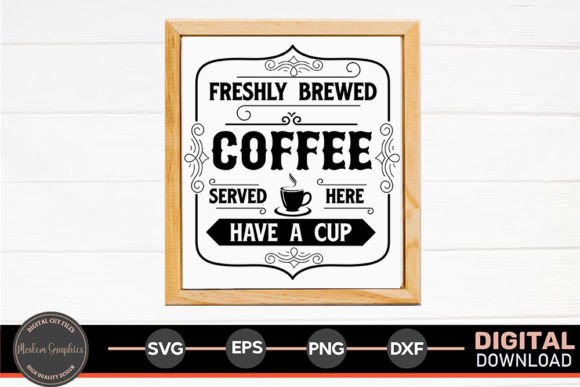
When I opened Coffee Before Questions for the first time, I didn’t see just another coffee-themed graphic—I saw a mood. It’s confident but approachable, clever without being cutesy, and instantly legible at a glance. The layout leans into clean typography with subtle cup iconography—just enough visual warmth to ground the phrase, not so much that it distracts from the message. As an embroidery designer who’s stitched hundreds of quotes onto everything from baby onesies to boutique aprons, I immediately pictured this on a heavyweight organic cotton tote bag for a local café’s staff gift set. That’s where Coffee Before Questions feels most at home: as a small-but-memorable accent that speaks to personality, routine, and quiet confidence.
Where It Shines in Real Embroidery Projects
This design excels in projects where clarity and charm matter more than complexity. On a medium-weight sweatshirt cuff? Perfect—stitches hold crisp edges, and the letterforms read cleanly even at 3.5 inches wide. On a linen tea towel? Yes, especially when paired with a simple satin-stitched cup outline above the text—it adds just enough dimension without overwhelming the fabric’s natural texture. I recently tested it as a centered chest embroidery on a unisex crewneck for a small shop launch, and customers responded strongly—not just to the humor, but to how “finished” it looked. That’s key: Coffee Before Questions reads like intentional branding, not a generic clipart add-on.
It works especially well for Etsy sellers offering personalized gifts. Think: embroidered baby blankets with a tiny version (under 2.5") near the corner, or a minimalist cap front design for barista-themed wedding favors. Because the phrase is short and rhythmically balanced, it translates smoothly across hoop sizes and fabric types—no awkward stretching or letter distortion. As a machine embroidery design, it avoids overly tight curves or micro-details that snag on textured weaves. That makes it reliable for commercial embroidery runs where consistency matters.
Where to Pause—and Test First
That said, Coffee Before Questions isn’t universally forgiving. On thin or stretchy fabrics—like lightweight jersey tees or baby rib knit—it needs thoughtful stabilizer backing. Without it, the fill stitch areas (especially in the cup shape, if included) can pucker or shift. I’d recommend tear-away + light cutaway combo for anything with movement. And while the text itself is bold enough for most applications, the smallest lettering may soften on dark fabric unless you use high-contrast thread—test it in black and white mockups before committing to production.
Curved surfaces demand extra attention too. On caps or curved pillow covers, the design benefits from slight digitizing tweaks—gentle arc adjustment, maybe a touch less density in the lower curve—to keep spacing even. Also, avoid cramming it into under-2-inch hoops without verifying stitch density; dense fill areas can look muddy at tiny scales. If you’re planning an embroidered patch, confirm whether the file includes clean edge outlines and sufficient underlay—those details affect how cleanly it’ll peel from backing.
What This Design Says About Your Finished Product
Using Coffee Before Questions thoughtfully elevates perceived value. It signals care—not just in stitching, but in curation. Customers notice when a quote feels *chosen*, not slapped on. That builds trust, especially for handmade product buyers who associate intentionality with quality. For craft business owners, it supports brand consistency: whether you’re selling embroidered kitchen towels on Etsy or custom aprons at a farmers’ market, this design reads cohesive, professional, and human.
It also boosts giftability. People love giving—and receiving—items that feel personal *without* requiring names or dates. Coffee Before Questions lands that sweet spot: warm, relatable, and quietly stylish. No wonder it’s showing up in holiday embroidery collections and new-mom welcome bundles alike.
Practical Designer Notes Before You Stitch
- Always test on scrap fabric first—especially if using textured, dark, or stretchy materials.
- Check thread color contrast carefully. Light gray thread on oatmeal linen? Lovely. Same thread on navy? Nearly invisible.
- Review stitch density in your embroidery software. If it’s heavy on fill stitches, consider reducing density by 5–10% for breathable fabrics.
- Confirm hoop size compatibility. While the design scales well, very small versions may need manual cleanup of stray stitches.
- Inspect corners and terminals—look for loose jump stitches or overlapping satin columns that could snag.
- Use proper stabilizer for your fabric type: cutaway for knits, tear-away for stable wovens, mesh for caps.
- Test black-and-white mockups to assess readability on light vs. dark backgrounds.
- Verify licensing before selling finished items or digital embroidery files—this is a Graphics asset intended for Crafts use, but commercial rights depend on the source.
In short: Coffee Before Questions is a quietly versatile embroidery file—neither flashy nor fussy, but deeply functional. It’s the kind of design that disappears into the background of great work… until someone smiles, points, and says, “Yes. Exactly.” That’s the mark of a keeper. Use it where authenticity matters, where handmade presentation counts, and where your customer deserves something that feels both familiar and freshly chosen.